
Design Your STR for Bookings, Not for Instagram
May 17, 2026
Oikos Property Ventures
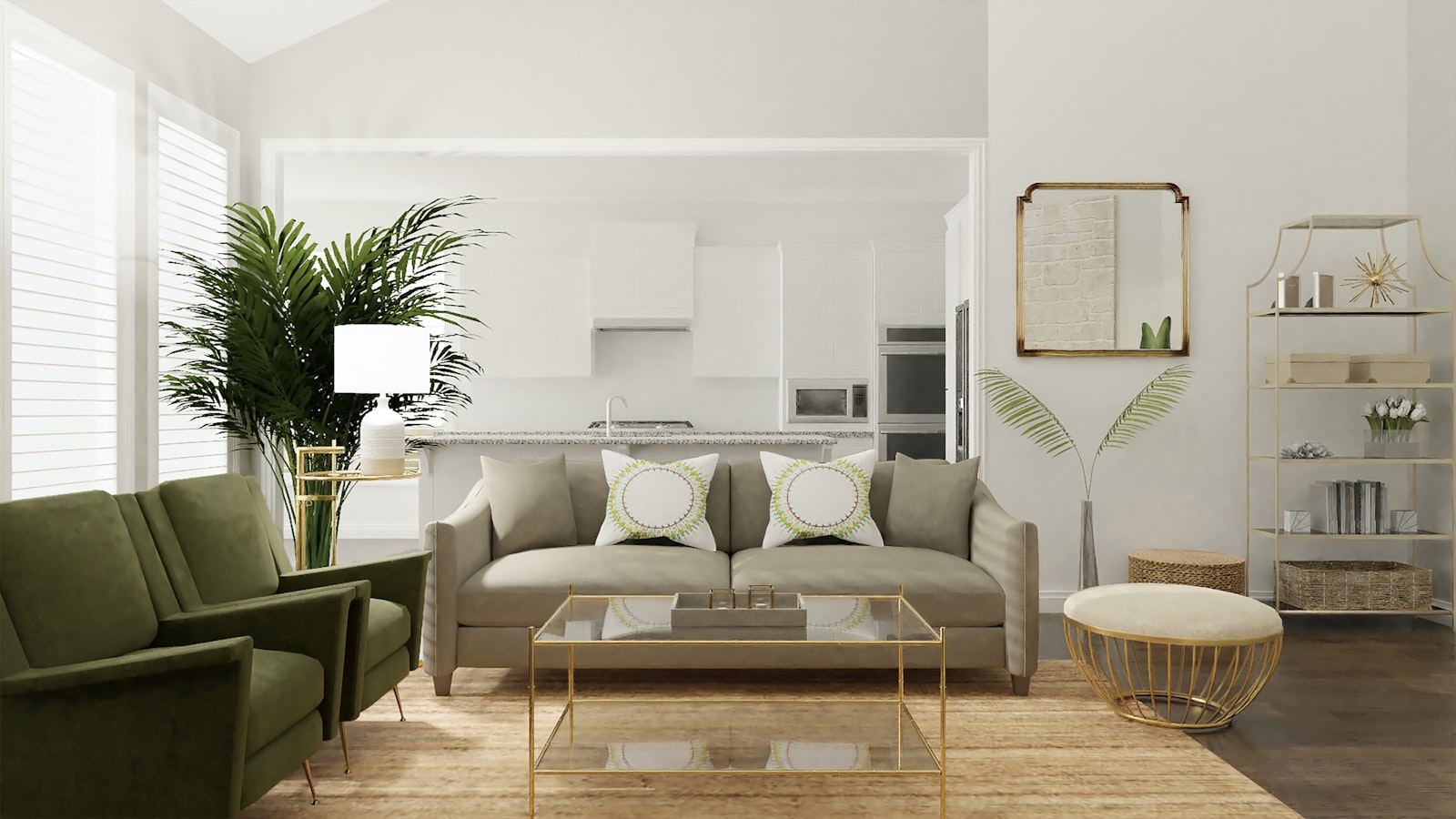
There's a property we walk through in our heads sometimes — the one we wish we'd set up differently. The living room was beautiful. A gallery wall we were proud of, a macrame piece, a cluster of succulents. And then the reviews came in. Not about the gallery wall. About the mattress.
"Bed was uncomfortable. Sofa felt like plywood."
The room photographed well. The guest slept badly. We had our priorities exactly backwards. Furnishing a short-term rental isn't interior design. You're designing for two things: what photographs well, and what feels good to the body. Every decision after that flows from it.
TL;DR: Spend money where guests touch things. Pull back on spending where guests look but don't interact. Every property needs one or two hero images that stop the scroll. The highest-ROI amenities are often the cheapest to add. The most expensive thing you can do is build a beautiful room with a bad mattress.
Why Photos Drive Everything
A guest browsing Airbnb makes their first filter decision in about two seconds — after seeing the cover photo, not after reading the description. If that photo doesn't communicate "this place has a vibe," they scroll. The algorithm knows this and rewards listings with strong visual performance. A weak cover photo isn't just an aesthetic problem. It's a distribution problem.
The first three to five photos are the booking decision. Everything after that is confirmation. What "looks intentional" means in practice: every surface in the frame has a reason to be there. You don't necessarily need a designer — you need a photographer who works with short-term rentals and knows how to style a shot.
High-Contact Spend: Where Your Money Actually Matters
High-contact means the guest physically interacts with it. These items live or die on feel, not appearance.
Mattresses
Sleep is the most direct driver of short-term rental reviews. Not cleanliness. Not Wi-Fi speed. Sleep. A guest who slept badly writes "the bed was uncomfortable" — and Airbnb surfaces that review to every future guest who looks at the listing.
Spend $400 to $1,000 per mattress, depending on property size and price point. STR-grade matters here — residential mattresses are engineered for one or two sleepers using the same mattress for years. A short-term rental mattress will sleep dozens of different guests. Prioritize durability alongside comfort. Whatever you buy, add a waterproof encasement under the protector.
Seating
Sofas and dining chairs see more wear per dollar spent than anything else in a property. A $600 sofa that looks used after 18 months costs more long-term than a $1,200 sofa that holds up for four years. For outdoor seating, invest in all-weather frames and covers — guests treat outdoor furniture harder than indoor furniture and generally expect it to take abuse.
Linens
Hotel-quality, white, and three full sets per person capacity. White is not an aesthetic choice — white can be bleached. Thread count target: 300 to 400 in quality cotton or cotton-poly blend. The three-set rule is operational: one set on the beds, one clean in the linen closet, one at the laundry. This is what makes same-day turnovers possible without anyone waiting on a dryer.
Kitchenware
Guests who cook leave better reviews than guests who don't. When someone cooks a meal at a property, they interact with it in a way that builds attachment. Invest in: one quality chef's knife, a 12-inch stainless or cast iron skillet, a good Dutch oven, and a coffee setup with substance. Nespresso over Keurig — not because of the coffee, but because it reads as an upgrade in photos and guests who notice perceive it as a premium touch.
Low-Contact Spend: Where to Slow Down
- Artwork: A few intentional pieces beat a wall full of $200 prints. Budget $100–$300 total for a two-bedroom property. One good piece beats many mediocre ones.
- Decorative objects: Styled minimalism photographs better than clutter. Three intentional objects and the camera sees a styled moment. Every decorative object on a flat surface is also something a cleaner has to pick up and dust under.
- Real plants: Never. Real plants die, attract gnats, and require maintenance guests won't provide. Fake plants always — the quality has improved dramatically. A realistic fiddle-leaf fig for $80–$120, placed once, never needs replacing.
The Hero Shot: The Image That Books the Property
Every property needs one or two images that work as scroll-stoppers. The test: does this image communicate "this place has a vibe" within two seconds?
What makes a hero shot:
- Accent walls: A single wall in a saturated color or bold wallpaper pattern draws the eye immediately. Cost to add: $150–$400 for a DIY wallpaper accent wall. The ROI in cover photo quality is extremely high.
- Statement light fixtures: A pendant or chandelier that is clearly not a builder-grade fixture tells the guest that decisions were made here. A $300–$500 pendant from Wayfair or McGee & Co., properly photographed, creates the same visual signal as something three times the cost.
- Fire pits staged for evening: An outdoor fire pit with chairs pulled up, the fire lit, string lights on in the background, shot at golden hour — one of the highest-performing hero shot formats in STR photography. Cost to add: $200–$600.
- Exterior with intentional landscaping: Fresh mulch and a $50 flat of annuals can transform an exterior photo at golden hour.
The hero shot brief: open Airbnb now. Find five listings in your target market with 50+ reviews and nightly rates in the top quartile. For each listing, identify the single image primarily responsible for the booking. Screenshot it. Put all five side by side. Find the common thread. That thread is your design brief.
Amenities with Real ROI
Pools and Hot Tubs
In markets that support them, pools and hot tubs are often the single highest-return amenity you can add — not just in perceived value, but in filter behavior. When a guest checks the "pool" filter, your property either appears or it doesn't. Traditional in-ground pools run $40,000–$80,000. Cowboy pools — galvanized steel stock tanks installed with basic filtration — cost $500–$1,500 and qualify as a pool for Airbnb filter purposes. Hot tubs run $3,000–$8,000 and extend your booking season in colder markets.
Fire Pits
A quality fire pit costs $200–$600, takes a few hours to set up, and immediately becomes one of your best marketing assets when properly photographed. Guests book the experience of sitting around a fire. They post photos of it. They mention it in reviews.
Outdoor Cooking
A Blackstone 28-inch griddle runs $200–$300. It handles breakfast for eight, photographs well, and is a specific brand-name amenity guests search for and mention in reviews. A quality propane grill is $300–$500. Either is worth adding for properties targeting family or group bookings.
StayFi for Wi-Fi and Direct Booking Capture
For any property where you want to build a direct booking channel: StayFi replaces your standard router management with a hospitality-grade portal. Guests connect through a branded splash page that captures their email address before giving access — building your direct booking list automatically. One property captures 200–400 guest email addresses per year.
What's NOT High ROI
- Robot vacuums listed as an amenity — guests don't care, and it reads as "the host doesn't actually clean between guests"
- Peloton bikes — high cost, high maintenance, most guests don't use them
- Smart mirrors — expensive, break frequently, confuse guests who don't need a touchscreen in the bathroom
Designing for Your Guest Type
- Couples: Romance cues — hot tub, mood lighting, king bed, intimate hero shot
- Families: Practicality — bunk beds or flexible sleeping, outdoor space, fully stocked kitchen, games and outdoor cooking
- Friend groups: Entertainment — dining table that seats everyone, fire pit, bar cart, social hero shot
- Remote workers: Quiet function — dedicated workspace, reliable fast Wi-Fi featured prominently, blackout curtains, calm hero shot
You can't serve all four equally well in a single property. Pick the primary segment, design for them, and note the secondary segment in your listing copy if the property can accommodate both.
Common Design Mistakes
- Designing for yourself — you are not the guest; strip personal taste out of it and design for the camera and the guest type
- Spending on visible-but-unused items — if guests look at it but don't use it, you're funding decoration at the expense of experience
- Skimping on high-contact to fund visible items — replacing a $400 sofa at 18 months costs more than buying the right sofa once
- Buying everything in one order without thinking about photos — the result is a property that looks like a Wayfair catalog: nothing distinctive, no image stops the scroll
Today's Move
Open Airbnb on your phone right now. Find five listings in your target market — 50+ reviews, nightly rates in the top quartile. Screenshot the single image driving the click on each one. Look at all five together. That pattern is your brief. Write it down before you buy a single piece of furniture.
Article
